Ant Behavior
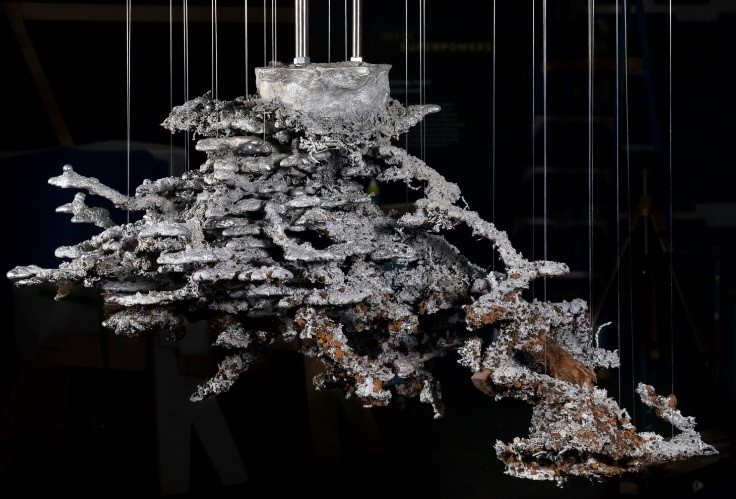
Ants are highly social insects that operate within complex, cooperative societies known as colonies, which can range from a few dozen to millions of members. Their behavior is governed by a strict division of labor among different castes: queens, who lay eggs, and workers, who are females that manage foraging, nest maintenance, and caring for the young. These insects are known for their remarkable communication, using chemical signals called pheromones to create trails for food navigation, warn of danger, or signal for help. They also communicate through touch, often using their antennae to interact and transfer food through a process called trophallaxis.
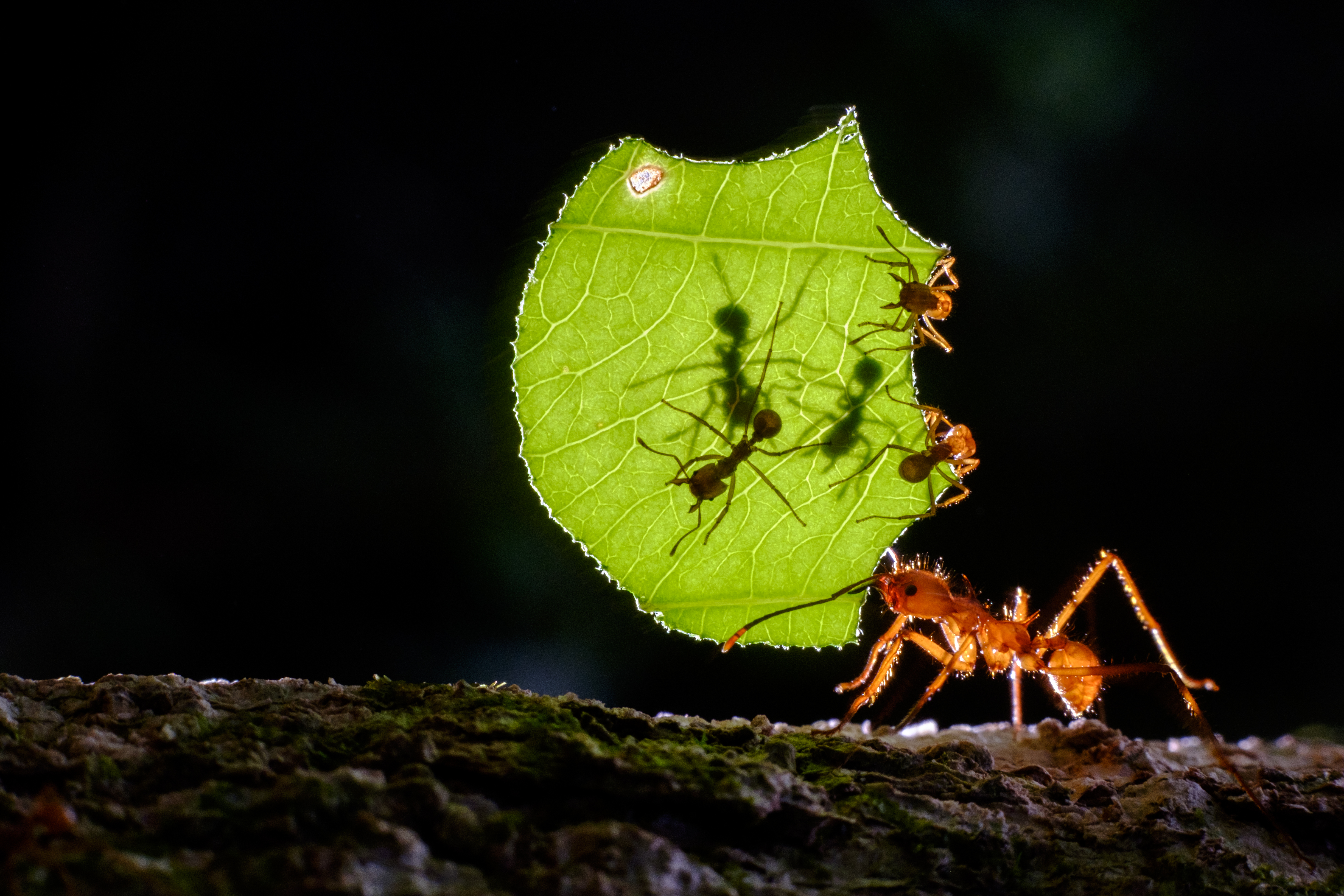
Foraging behavior is a central part of an ant's daily life, where they act as efficient scavengers and predators that can carry up to 50 times their own body weight. When a source of food is found, a scout leaves a pheromone trail, which other workers follow, reinforcing the path as they travel back and forth. Beyond simply finding food, some ant species engage in sophisticated behaviors, such as cultivating fungus for sustenance or "farming" aphids, protecting them in exchange for sugary honeydew. They are also highly hygienic and territorial, often creating complex, sanitized, and well-organized nest structures in soil, wood, or within human homes.
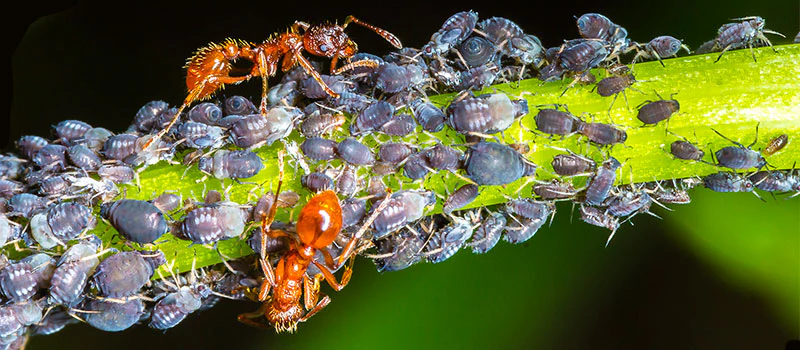
Beyond general social roles, ants exhibit complex behaviors that parallel human industry, warfare, and even healthcare. Some species are essentially insect farmers. Leafcutter ants do not eat the leaves they harvest; instead, they use them as a substrate to grow a specific type of fungus that serves as the colony's primary food source. Others, like herder ants, act as ranchers by "milking" aphids for honeydew, a sugary liquid the aphids excrete. The ants protect these "cows" from predators and even carry them to better feeding spots on plants to ensure a steady supply of nutrients.
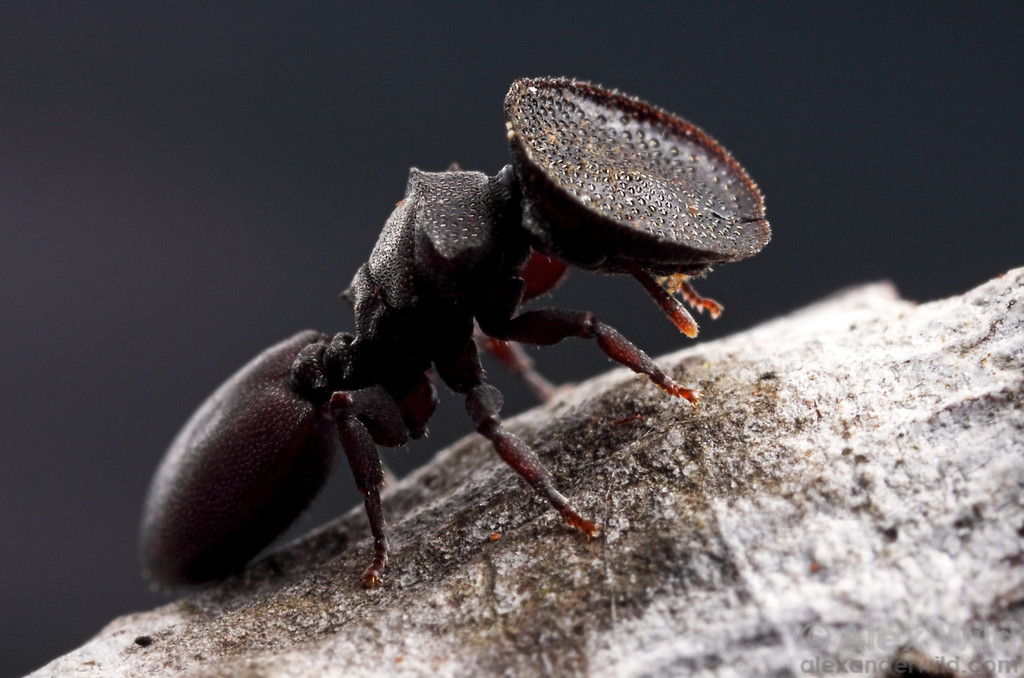
In terms of defense and conflict, ants engage in sophisticated chemical and physical warfare. Some species, such as Colobopsis explodens, will literally self-detonate when threatened, spraying toxic, sticky secretions onto enemies to stop an invasion. Other species use phragmosis, where specialized "soldier" ants use their flat, shield-shaped heads to physically plug the nest entrance, acting as a living door against intruders like army ants. To maintain colony health, ants also practice social immunity. They use antimicrobial secretions to disinfect the nest, and infected workers often voluntarily quarantine themselves by leaving the colony to die in isolation, preventing the spread of disease to their nestmates.